01
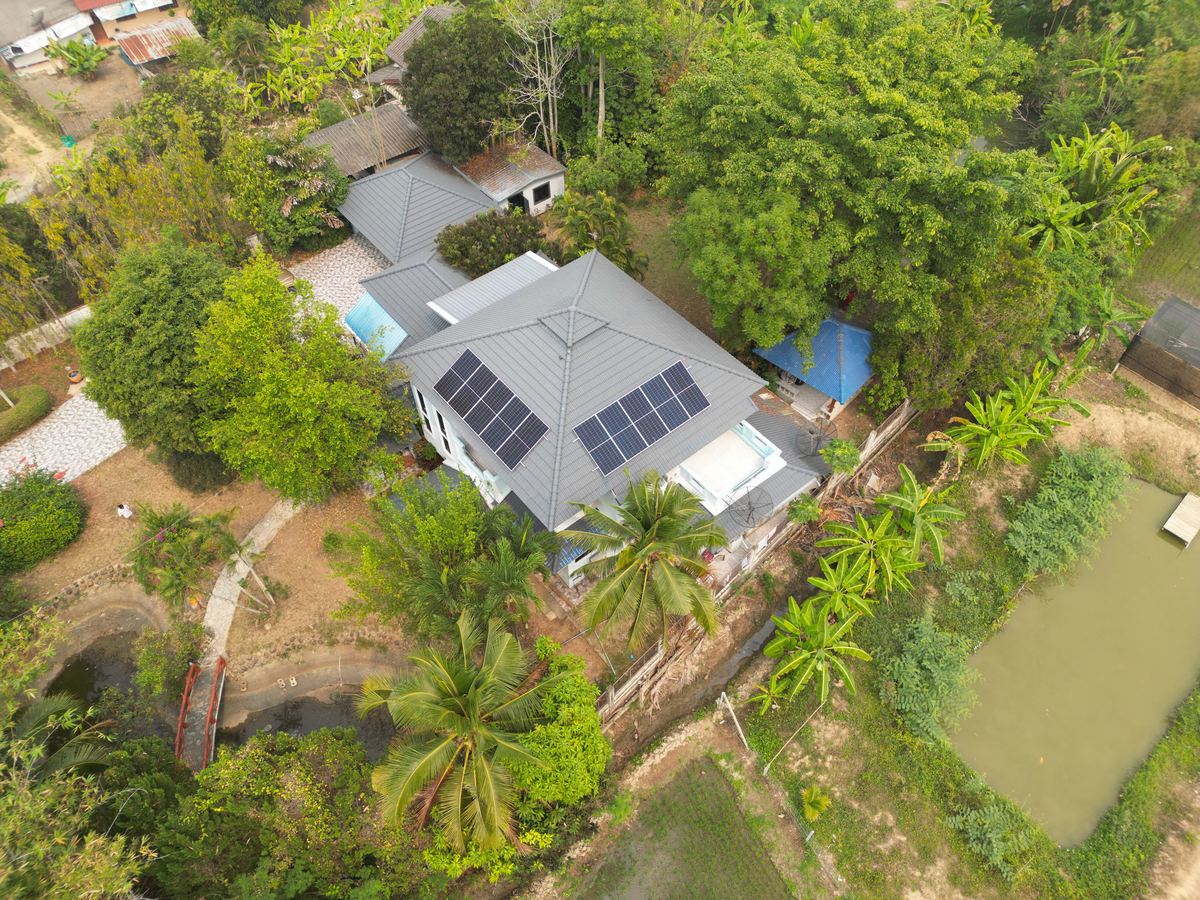
Residential Integration
Bespoke rooftop systems engineered to the architecture of your home: silent, seamless, structurally sound.

Architectural solar systems · Est. Thailand
We engineer solar energy not as a utility, but as a bespoke architectural element of the modern home: precision-integrated, silently powerful.
The energy lab
Four disciplines, one standard. Every system is specified, drawn, and installed to architectural tolerances, not bolted on as an afterthought.
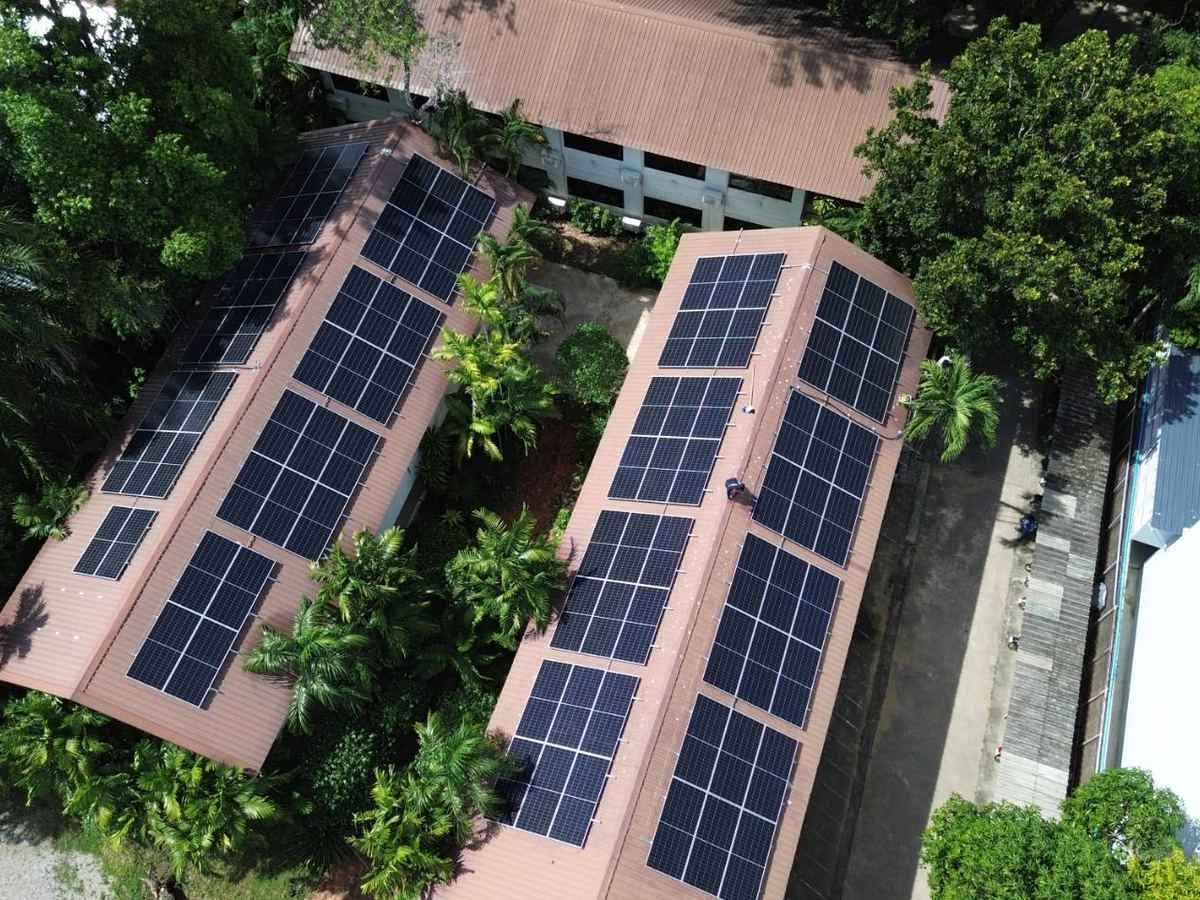
Bespoke rooftop systems engineered to the architecture of your home: silent, seamless, structurally sound.
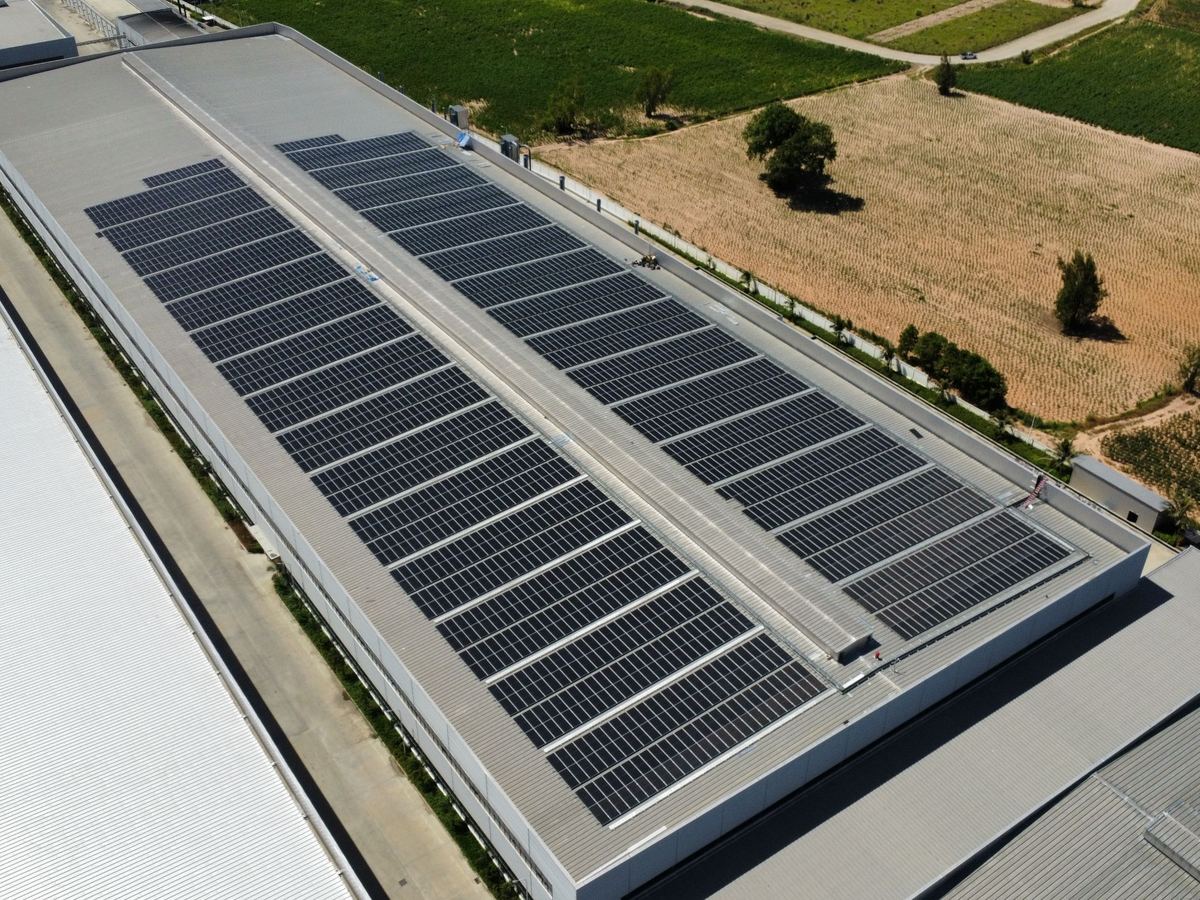
Grid-scale deployment for business and industry, optimized for load profiles and return on investment.
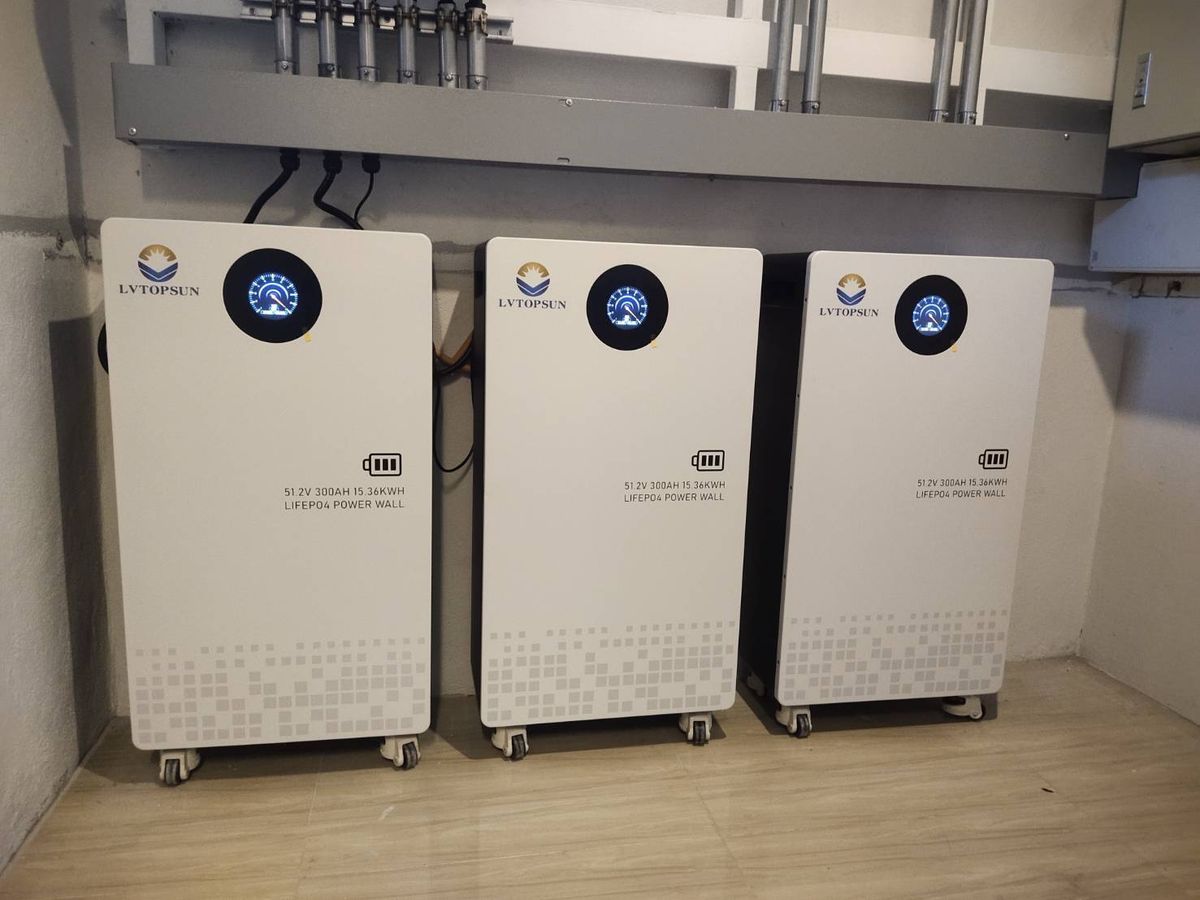
Energy resilience through intelligent storage. Keep the lights on through the night and through grid outages.
Full single-line diagrams, load calculations, and contractor-grade documentation. Permitted and compliant.
Impact calculator
Estimates use a blended Thai tariff (฿4.5/kWh), 5 peak sun hours per day, and 85% offset. Final figures are confirmed in consultation.
The luminous archive
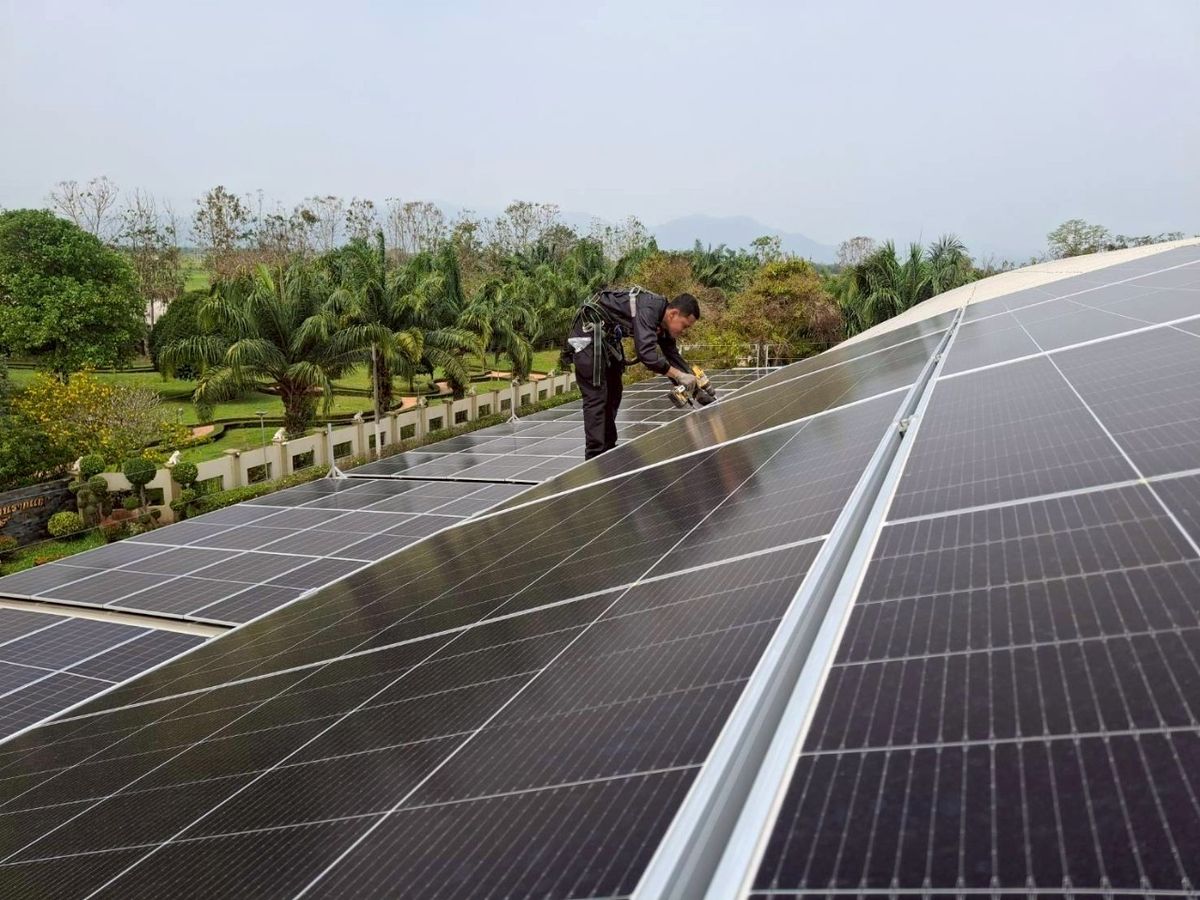
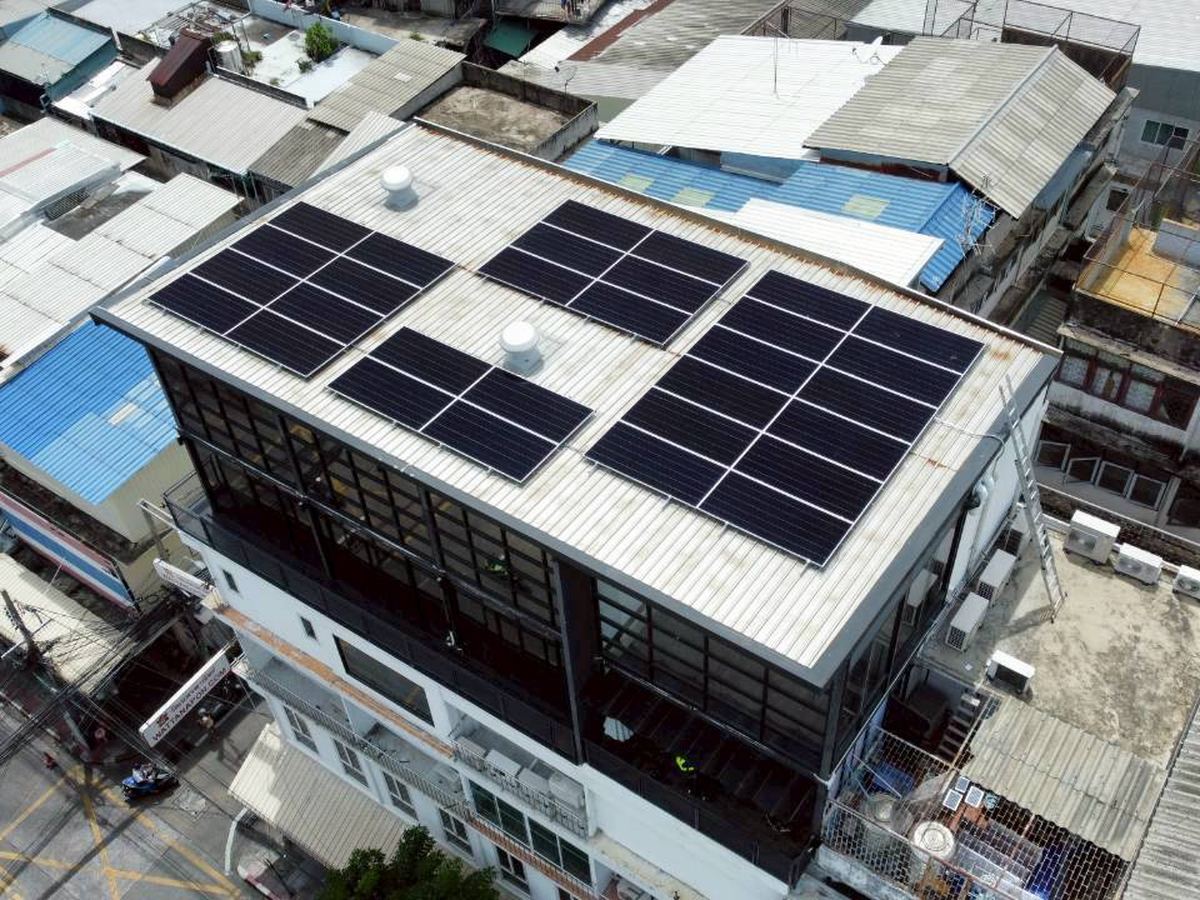
Customer voices
Once the installation was complete, I was genuinely impressed by the team's professionalism and meticulous attention to detail. Despite having no technical background in solar systems, I feel completely confident and at ease knowing my home now has safe, reliable electricity.
My wife and I are very pleased. He was also very informative and explained every step of the process. I highly recommend him, and he speaks perfect English.
The practice
Solar ESS designs and installs solar energy systems across Thailand and Southeast Asia. We treat every roof as a structure first and a power plant second, engineering single-line diagrams, load profiles, and hardware selection to the same standard as the building beneath them.
We specify Aiko Neostar panels, Solis hybrid inverters, and CHINT protection: documented, permitted, and built to outlast the warranty.
FAQ
Not true net metering. Thailand uses net billing: the solar power you use yourself replaces grid power at the full retail price, and the surplus you export is bought at a fixed lower rate of 2.20 baht per unit.
Typically about 4 to 7 years for an on-grid system when most solar is used in the daytime. Batteries lengthen payback but add backup and night-time use.
Yes. A personal income-tax deduction of up to 200,000 baht applies to on-grid rooftop systems up to 10 kWp connected between 3 March 2026 and 31 December 2028.
A standard on-grid inverter switches off for safety when the grid fails. You need a hybrid inverter with a battery and a backup circuit to keep essential loads running.
Very little. Panels are usually cleaned once or twice a year, with one yearly inspection of wiring, protection devices and earthing.
Yes for a plain on-grid inverter that is allowed to export. No for a hybrid inverter or any system that must limit export: the CT is the inverter's only way to see what the building takes from the grid.
Begin
Tell us about your property and your energy goals. We'll respond with a preliminary system design and savings estimate within two business days.